Leads Clients Guide: Your Roadmap to Success in 2025
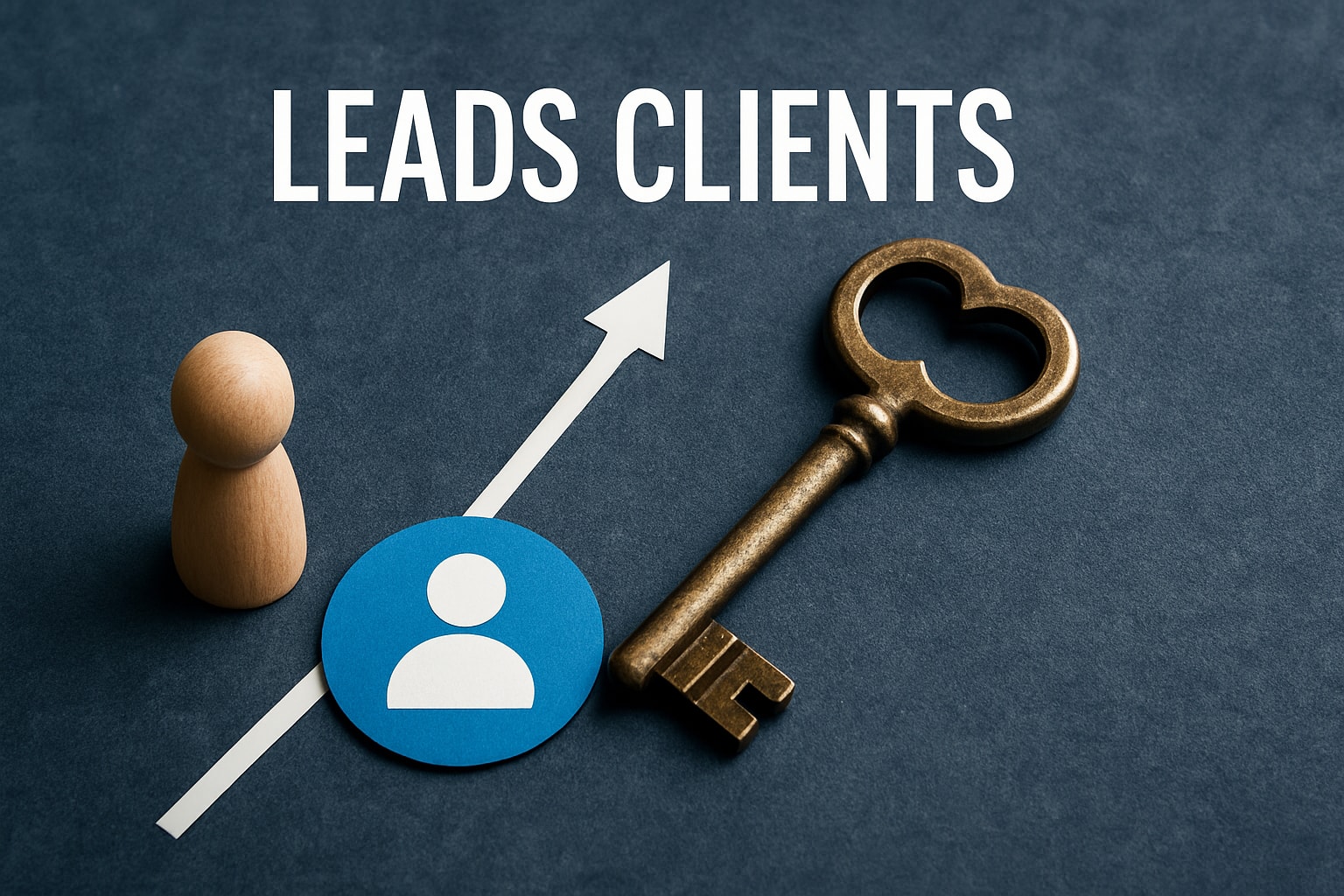
Unlock the secret to business growth in 2025 by mastering your leads clients approach. As digital trends evolve, having a strategy for attracting and nurturing leads clients is more important than ever.
This guide is your step-by-step roadmap to success. Discover essential lead generation fundamentals, the latest industry trends, and actionable strategies for every stage of the client journey.
Gain expert insights to maximize your results. Explore proven methods that help you convert high-quality leads into loyal clients. Ready to transform your business? Let’s dive in.
Understanding the 2025 Leads and Clients Landscape
In 2025, the landscape for leads clients is rapidly shifting. Businesses must adapt to new technologies, evolving customer expectations, and stricter regulations. To succeed, understanding these shifts is crucial for building effective strategies.

The Evolution of Lead Generation
Lead generation has transformed from traditional methods to a digital-first approach. In recent years, automation and AI have become central to how companies attract leads clients. Businesses now use an omnichannel presence, engaging prospects across social media, search engines, virtual events, and referral programs.
For example, financial services firms are investing in AI-powered chatbots, while SaaS companies leverage webinars and interactive demos. This evolution demands a proactive approach to meet the needs of today’s leads clients.
Changing Client Expectations
Clients in 2025 expect more than just quick service. They demand personalized experiences and fast, meaningful responses from brands. Decision-making is increasingly value-driven, with transparency and trust serving as key differentiators.
Statistics show that 74% of clients expect companies to understand their needs. For leads clients, this means businesses must anticipate individual preferences and provide tailored solutions to remain competitive.
Key 2025 Trends Affecting Lead Generation
Several trends are shaping how organizations approach leads clients. Data privacy regulations are stricter, requiring compliant marketing practices. Content-driven, value-first strategies now outperform traditional sales pitches.
Conversational marketing, especially through AI chatbots, is on the rise. These tools deliver instant engagement and help qualify leads clients efficiently. For more data-backed insights, refer to the Lead Generation Statistics 2025 to understand the most impactful trends and challenges this year.
Common Challenges Businesses Face
Despite new tools, businesses still face hurdles in generating and converting leads clients. Lead fatigue is common as audiences receive more outreach than ever, resulting in declining engagement rates.
Attribution is another challenge. Multi-touch journeys make it difficult to track which channel drives results. A B2B firm, for example, may struggle to determine whether social media or email truly converted their leads clients, complicating strategy refinement.
Common Challenges Table
| Challenge | Impact |
|---|---|
| Lead fatigue | Lower engagement |
| Attribution complexity | Harder ROI measurement |
| Declining response rates | Fewer conversions |
Opportunities for Growth
Despite these obstacles, there are significant opportunities for businesses focused on leads clients. Automation enables nurturing at scale, allowing teams to reach more prospects with less manual effort.
Building authority through thought leadership—such as publishing expert content or hosting webinars—can set brands apart. Predictive analytics offers smarter targeting, helping identify the right leads clients at the right time. By leveraging these tools, organizations can unlock new levels of growth in a competitive market.
Building a High-Converting Lead Generation System
A robust lead generation system is the engine that powers consistent business growth. In 2025, success depends on your ability to attract, engage, and convert the right leads clients through a strategic, data-driven approach.

Defining Your Ideal Client Profile (ICP)
Precision is vital in 2025’s competitive landscape. Clearly identifying your ideal leads clients helps you focus resources and messaging where they matter most.
Use CRM platforms, analytics, and survey tools to segment and profile your audience. For example, a financial advisory firm might create an ICP based on age, income, investment goals, and digital behavior.
A detailed ICP enables you to prioritize high-value prospects, increasing efficiency throughout your leads clients journey. For more guidance on selecting powerful tools, see the Lead Generation Tools Guide.
Crafting Irresistible Lead Magnets
The right lead magnet can transform casual browsers into qualified leads clients. In 2025, personalization and instant value are essential.
Popular lead magnet formats include:
- Ebooks and guides tailored to industry pain points
- Webinars with actionable insights
- Interactive calculators or assessments
- Free trials or demos for immediate value
Interactive content is especially effective, driving up to 50% higher conversion rates. Always align your lead magnets with your ICP to ensure relevance and resonance.
Optimizing Your Landing Pages and Funnels
Your landing pages are where leads clients decide to engage. Focus on clarity, trust, and seamless user experience.
Key elements of high-converting pages:
- Compelling headline and clear value proposition
- Prominent call-to-action (CTA) buttons
- Trust signals such as testimonials or security badges
- Mobile-first, fast-loading design
Continuously A/B test headlines, layouts, and CTAs. For instance, optimizing a landing page for clarity and speed can double conversion rates for leads clients.
Multi-Channel Outreach Strategies
In 2025, reaching leads clients requires an integrated approach across several channels.
Effective outreach methods:
- Personalized email sequences
- Social media campaigns targeting specific segments
- Paid ads for rapid visibility
- Hosting or participating in industry events
- Strategic partnerships to expand reach
Using three or more channels can boost engagement by 250 percent. Integrate channels for a seamless leads clients experience, ensuring consistent messaging throughout.
Lead Capture and Qualification Processes
Capturing leads clients efficiently means using smart tools and workflows. Implement forms that ask only essential questions, using progressive profiling to gather more data over time.
Modern qualification methods include:
- Behavioral scoring (website visits, downloads)
- Demographic filters (job title, company size)
- Chatbots for instant engagement and screening
A SaaS company, for example, might qualify leads clients by tracking demo requests and product interactions, handing off only the most promising prospects to sales.
Automation and Technology for Scale
Scaling your leads clients system is impossible without automation. CRM and marketing automation platforms streamline lead nurturing, segmentation, and follow-up.
AI-powered tools can personalize content, score prospects, and trigger timely messages. Automation has been shown to increase sales productivity by 14.5 percent, freeing your team to focus on high-touch interactions with leads clients.
Choose technology that integrates with your existing stack for seamless data flow and consistent client experiences.
Nurturing Leads: From First Contact to Loyal Client
Effective lead nurturing transforms initial interest into lasting business relationships. In 2025, businesses must evolve their approach to ensure every touchpoint builds trust and delivers value. By focusing on personalization, authority, strategic communication, automation, and thoughtful segmentation, your leads clients strategy can consistently convert prospects into loyal clients.

Personalization at Scale
Personalization is now the backbone of successful leads clients strategies. In 2025, prospects expect brands to recognize their unique needs and respond with tailored experiences.
Businesses leverage CRM data, behavioral analytics, and purchase history to create dynamic messaging and custom offers. For example, a retail brand using personalized email sequences and retargeting ads increased conversions by 35 percent.
To implement personalization at scale:
- Segment audiences by behavior and preferences.
- Use dynamic content in emails and ads.
- Automate relevant follow-ups based on engagement.
Personalized experiences help your leads clients journey stand out in a crowded market.
Building Trust and Authority
Trust is a non-negotiable factor for converting leads clients into long-term customers. Establishing authority requires consistent, value-driven content and visible social proof.
Content marketing, such as blogs, webinars, and case studies, demonstrates expertise and reliability. Additionally, displaying reviews, testimonials, and client referrals further builds confidence. According to Nielsen, 92 percent of buyers trust peer recommendations.
To foster trust and authority:
- Share educational blog posts and industry insights.
- Highlight success stories and case studies.
- Encourage satisfied clients to leave testimonials.
This approach ensures your leads clients pipeline is rooted in credibility.
Multi-Touch Nurturing Strategies
The path from lead to client is rarely linear. Multi-touch strategies ensure your leads clients journey remains engaging and effective at every stage.
Mapping the client journey allows you to sequence touchpoints across channels, from initial awareness to final decision. For instance, a B2B company implemented a seven-touchpoint nurture sequence, resulting in higher engagement and shorter sales cycles.
Key steps include:
- Outlining key buyer journey stages.
- Coordinating emails, calls, and targeted ads.
- Tracking responses to refine future outreach.
A structured approach keeps leads clients moving forward with confidence.
Leveraging Automation for Timely Follow-Up
Speed and consistency are vital for nurturing leads clients. Automated reminders, SMS, and drip campaigns help ensure no opportunity goes unnoticed. Reducing response times is critical, as 78 percent of clients buy from the first responder.
Modern tools track engagement and trigger follow-ups automatically. For a deeper dive into automation technologies that streamline nurturing and conversion, explore Marketing Automation for Advisors.
Best practices include:
- Setting automated reminders for timely outreach.
- Using engagement data to trigger next steps.
- Monitoring progress with real-time analytics.
Automation empowers your team to engage leads clients efficiently and at scale.
Qualifying and Segmenting Leads for Maximum ROI
Not all leads clients are created equal. Effective qualification and segmentation maximize return on investment by focusing resources on the most promising prospects.
Behavioral scoring models analyze actions such as website visits, content downloads, and demo requests. Intent signals help determine readiness for sales engagement. For example, a SaaS firm increased sales efficiency by 25 percent through improved segmentation and qualification.
Steps to optimize qualification:
- Define criteria for sales-ready leads.
- Score leads based on demographic and behavioral data.
- Hand off qualified leads for personal follow-up.
This process ensures your team targets the right leads clients for conversion.
Overcoming Common Nurturing Pitfalls
Even strong nurturing strategies can encounter roadblocks. Avoiding generic messaging and nurture fatigue is essential for maintaining engagement with leads clients.
Balance automation with a human touch by personalizing high-value interactions. A service business that re-engaged lost leads through targeted messaging recovered 40 percent of them.
Tips to overcome pitfalls:
- Rotate content formats to keep messaging fresh.
- Personalize outreach for high-potential leads.
- Review and update nurture sequences regularly.
Addressing these challenges ensures your leads clients journey remains effective and resilient.
Converting Leads into Long-Term Clients
Turning leads clients into loyal, long-term partners is the ultimate goal for any business in 2025. As digital touchpoints multiply and competition intensifies, mastering this conversion process requires a strategic, client-centered approach. The following steps outline how to elevate your leads clients journey from first interest to enduring success.

Optimizing the Sales Process for 2025
A refined sales process is crucial for converting leads clients into loyal advocates. In 2025, buyers expect consultative selling that prioritizes their goals and pain points. Sales teams should focus on value-based conversations, providing tailored solutions rather than generic pitches. Streamlining proposals, demos, and onboarding steps shortens the sales cycle and enhances the overall experience.
Consider the following enhancements for your leads clients journey:
- Use digital tools to automate scheduling and document sharing.
- Implement interactive demos tailored to specific client needs.
- Ensure onboarding starts immediately after closing to build momentum.
According to Gartner, 67% of buyers say a positive sales experience drives long-term loyalty, making these improvements vital for your leads clients strategy.
Handling Objections and Building Confidence
Anticipating and addressing objections is an essential part of converting leads clients. Common concerns often include pricing, return on investment, or trust in your brand. By proactively presenting transparent information and addressing these topics, you reduce friction in the decision-making process.
Leverage social proof such as testimonials or case studies to reinforce credibility. Consider offering risk-reversal incentives, like money-back guarantees, to further boost client confidence. For example, one agency increased close rates by 20% by including guarantee-backed offers in their leads clients proposals.
Closing Techniques That Work
Effective closing techniques help transform qualified leads clients into paying customers. Tactics that drive action include urgency and scarcity, such as limited-time offers or exclusive bonuses. Always provide clear, actionable next steps, so prospects know exactly how to proceed.
Following up promptly is critical. Data shows that close rates are 60% higher when you reach out within 24 hours. Integrate reminders and automated follow-ups to ensure every leads clients opportunity receives timely attention.
Seamless Onboarding for Client Retention
Onboarding is the bridge between closing and long-term satisfaction. For leads clients, a seamless onboarding process sets expectations and delivers quick wins. Automated onboarding sequences, checklists, and regular communication help new clients feel supported from day one.
A SaaS company recently reduced churn by 30% simply by improving their onboarding experience. Key steps include:
- Personalized welcome messages and training resources.
- Clear timelines for deliverables and milestones.
- Regular check-ins during the first 30 days.
Investing in onboarding ensures that leads clients remain engaged and satisfied over the long run.
Upselling and Cross-Selling Opportunities
Once leads clients have been successfully onboarded, the next step is to identify additional needs and offer relevant solutions. Use client data and engagement history to time upsell and cross-sell offers for maximum impact. Personalization is essential, as generic offers can erode trust.
Consider these strategies for leads clients:
- Suggest complementary services based on recent purchases.
- Introduce loyalty programs that reward repeat business.
- Monitor usage patterns to proactively recommend upgrades.
Notably, 70% of revenue often comes from existing clients, highlighting the value of nurturing leads clients relationships beyond the initial sale.
Measuring and Optimizing Conversion Rates
Continual measurement is key to refining your leads clients strategy. Track metrics such as close rates, sales cycle length, and client lifetime value to identify areas for improvement. Use feedback loops, A/B testing, and analytics dashboards to monitor progress.
A professional services firm increased lifetime value by 40% through ongoing optimization. For streamlined lead tracking and conversion, consider leveraging CRM Solutions for Client Management to centralize data and automate follow-up tasks. This approach empowers you to make informed decisions and scale your leads clients strategy effectively.
| Metric | What to Track | Why It Matters |
|---|---|---|
| Close Rate | % of leads clients closed | Measures sales effectiveness |
| Sales Cycle Length | Days from lead to client | Identifies process bottlenecks |
| Client Lifetime Value | Revenue per client | Gauges long-term profitability |
By focusing on these metrics, you can ensure your leads clients journey continues to evolve and deliver sustainable growth.
Measuring, Refining, and Scaling Your Leads & Clients Strategy
To elevate your leads clients approach in 2025, consistent measurement and ongoing refinement are essential. The path from steady lead flow to scalable client acquisition requires a disciplined focus on metrics, technology, and adaptability. Let’s break down the critical steps for sustainable growth.
Setting and Tracking Key Performance Indicators (KPIs)
Effective scaling starts with knowing which metrics matter most for your leads clients strategy. Key Performance Indicators should cover the entire funnel, from lead quality and cost per lead to conversion rates and ROI.
Use analytics dashboards and CRM reports to monitor performance in real time. For example, agencies often rely on monthly lead tracking templates to spot trends and adjust quickly. By consistently reviewing these numbers, you can pinpoint strengths, diagnose bottlenecks, and ensure your leads clients efforts remain on target.
Attribution and Data-Driven Decision Making
Attribution is crucial for understanding which activities generate the best leads clients outcomes. Multi-touch attribution models help you trace every interaction, from first click to final sale, across channels.
Leverage AI-powered insights to identify which touchpoints and campaigns move prospects forward. In fact, adopting technologies like AI chatbots can dramatically improve conversion rates and lead quality, as detailed in AI Chatbot Impact on Lead Generation. Make data central to every decision, so your leads clients strategy evolves with precision.
Continuous Testing and Optimization
Success in leads clients management depends on a culture of experimentation. Regular A/B and multivariate testing for landing pages, creatives, and funnels uncovers what works best for your audience.
Gather feedback from client surveys and your sales teams to refine messaging and offers. For instance, an e-commerce brand improved lead quality by 18 percent through frequent testing and quick adjustments. Prioritizing ongoing optimization ensures your leads clients process never stagnates and always adapts to changing market demands.
Scaling What Works: Automation and Delegation
Once the most effective leads clients tactics are identified, automation and delegation become your growth engines. Automate repeatable processes using CRM and marketing automation tools to nurture leads at scale.
Consider outsourcing or building specialized internal teams for campaigns that require a human touch. According to Marketing Automation Lead Generation Data, businesses that embrace automation achieve double the scaling speed. By systematizing your leads clients workflows, you free up resources to focus on strategy and innovation.
Staying Ahead of Trends and Competitors
To future-proof your leads clients strategy, you must anticipate industry trends and evolving technologies. Regularly monitor new tools, attend webinars, and invest in ongoing training for your team.
Early adoption of AI-driven solutions or emerging tactics can help you seize market share before competitors react. A company that proactively implements innovative lead tools often finds its leads clients pipeline growing faster and more efficiently.
Avoiding Common Scaling Mistakes
Rapid scaling can introduce new challenges for your leads clients process. Maintain the personal touch by segmenting communications, even as your volume increases.
Prevent data silos and communication breakdowns by integrating CRM and marketing platforms. For example, a startup avoided a churn spike after syncing its systems, leading to more cohesive leads clients operations. Vigilance and integration keep your scaling efforts sustainable and customer-focused.
Now that you’ve explored practical ways to attract and nurture high quality leads in 2025, imagine what your advisory business could achieve with the right ad strategy and automated solutions tailored specifically for financial advisors. You’ve seen how important it is to have a system that not only generates leads but also converts them into loyal clients—consistently and compliantly. If you’re ready to see these strategies in action and discover how automation can help you scale faster while keeping compliance simple, I invite you to Schedule a Free Demo. Let’s build your roadmap to success together.
.png)


.svg)
.svg)