Internet Marketing Advertising Guide: Strategies for 2025
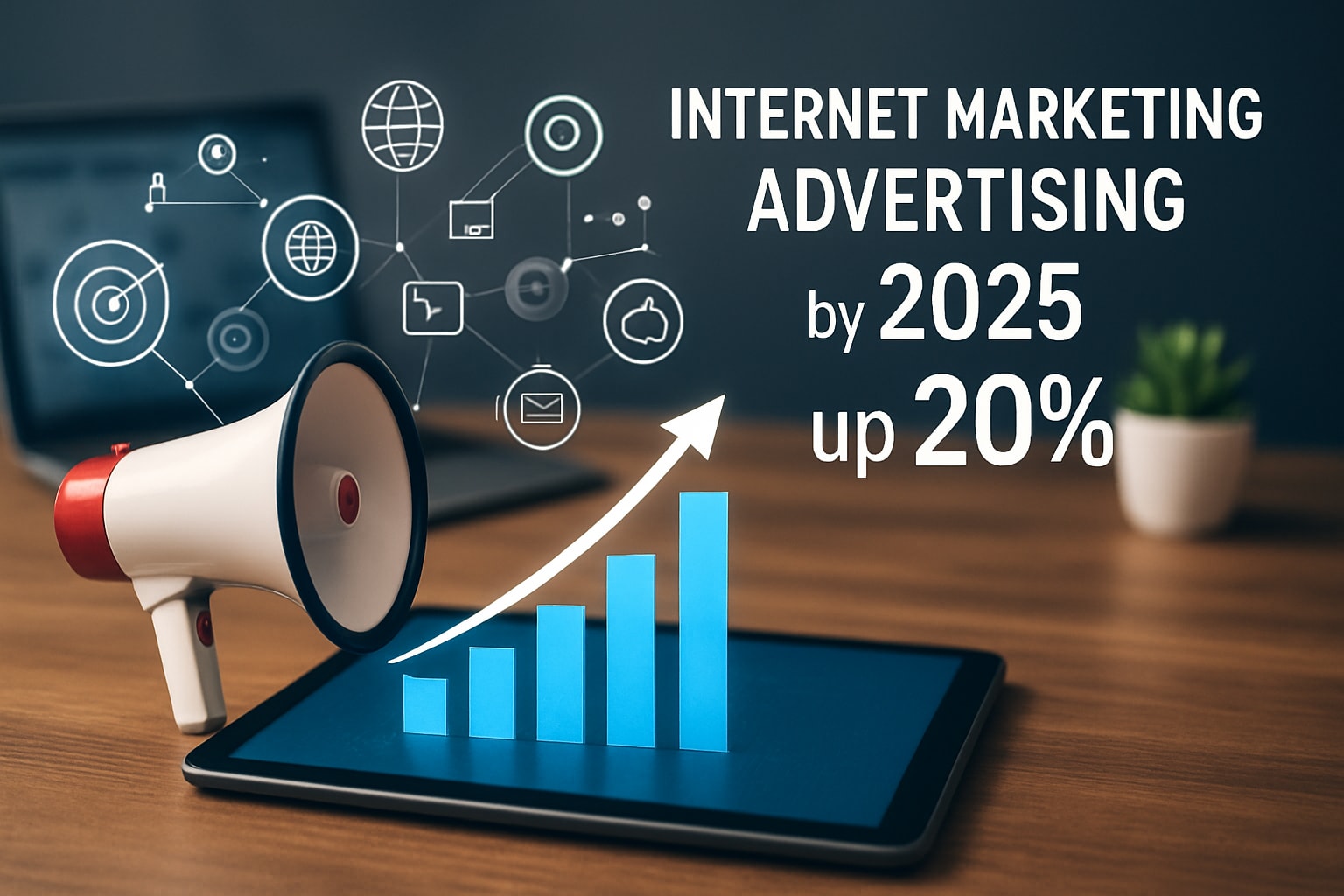
Did you know global spending on internet marketing advertising is projected to surpass $700 billion by 2025? As businesses race to establish a strong online presence, the digital landscape is transforming at an unprecedented pace.
Competition is fierce, and staying ahead requires more than just basic tactics. The world of internet marketing advertising keeps evolving, making it essential to adopt up-to-date strategies that drive results.
Mastering these strategies can unlock growth, attract new customers, and position your business for long-term success. Ready to level up your approach? Follow this guide for actionable insights tailored for 2025.
In this comprehensive overview, you will learn about emerging trends, effective channel strategies, campaign optimization, compliance, automation, and measurement—everything you need to thrive in the future of internet marketing advertising.
The Evolution of Internet Marketing Advertising
The landscape of internet marketing advertising is evolving rapidly, driven by technology, shifting consumer expectations, and changing regulations. Businesses must adapt to stay competitive, leveraging new tools and strategies to reach audiences across an increasingly fragmented digital environment.

Key Digital Advertising Trends for 2025
The world has seen explosive growth in global internet users, with over 4.6 billion people online in 2021 and that number expected to keep climbing. This surge is fueling a major shift from traditional marketing tactics to digital-first strategies, as brands prioritize online channels to connect with consumers.
Privacy-centric approaches are now standard, with new regulations prompting advertisers to reimagine targeting. Artificial intelligence and machine learning are transforming internet marketing advertising by enabling hyper-personalized messaging and smarter audience segmentation. Omnichannel experiences are also on the rise, ensuring cohesive interactions across touchpoints.
For a deeper look at the financial impact of these shifts and global digital ad spending, explore the Global digital ad spending projections.
The Changing Consumer Journey
Today’s consumer journey is rarely linear. People interact with brands across multiple touchpoints, including search engines, social platforms, email, and mobile apps. Digital research is now a core part of purchase decisions, making it essential for internet marketing advertising to address each stage of the funnel.
Trust and authenticity have become top priorities for consumers. For example, a typical buyer may start with a Google search, check a brand’s social media for reviews or testimonials, and only then consider making a purchase. This highlights the importance of building credibility and maintaining transparency in every digital interaction.
Channel Diversification and Integration
As new digital platforms emerge, brands are diversifying their internet marketing advertising mix. Channels like connected TV and newer social networks are gaining traction alongside established platforms. Success now depends on integrating paid, owned, and earned media, ensuring unified messaging across all channels.
Cross-channel attribution is critical, helping marketers understand how different touchpoints contribute to conversions. For instance, combining social ads with email marketing can create a seamless campaign that guides prospects from awareness to action.
Data-Driven Decision Making
Data is at the core of effective internet marketing advertising. Marketers now rely on analytics tools to track performance and optimize campaigns in real time. The shift to a cookieless world is making first-party data more valuable than ever, as businesses seek to maintain personalization while respecting privacy.
Using platforms like Google Analytics, teams can analyze which ads drive the most engagement and adjust spend accordingly. This agile approach enables continuous improvement and maximizes return on investment.
Core Internet Marketing Advertising Channels for 2025
Selecting the right channels is essential for a successful internet marketing advertising strategy in 2025. Businesses must leverage both established and emerging platforms to reach audiences with precision and creativity. Each channel offers unique strengths, and integrating them can maximize campaign impact.

Search Engine Marketing (SEM) and SEO
Search engines remain the backbone of internet marketing advertising, driving visibility and targeted traffic. In 2025, organic and paid search continue to evolve, with SEO strategies adapting to voice search, featured snippets, and AI-powered ranking algorithms.
SEM best practices now prioritize keyword intent, compelling ad extensions, and precise local targeting. For example, ranking for "best financial advisor near me" can deliver high-intent leads. Marketers must balance technical SEO with creative ad copy to maintain prominence in competitive search landscapes.
A table comparing SEM and SEO elements:
| Element | SEM | SEO |
|---|---|---|
| Cost | Paid (CPC, CPM) | Organic (time, resources) |
| Speed | Immediate traffic | Long-term growth |
| Control | High (ad copy, targeting) | Moderate (content, structure) |
Social Media Advertising
Social platforms are indispensable for internet marketing advertising, offering advanced targeting and rich content formats. In 2025, brands harness Facebook, Instagram, TikTok, LinkedIn, and new entrants to engage diverse audiences.
Short-form video and interactive content dominate user feeds, making creativity essential. Marketers use detailed audience segmentation to tailor campaigns, while Instagram Reels ads are popular for product launches. Successful strategies integrate organic and paid efforts for cohesive brand presence.
To stay competitive, brands should experiment with emerging networks and adapt messaging to platform-specific behaviors. Social media offers real-time engagement and rapid feedback loops for campaign optimization.
Programmatic and Display Advertising
Programmatic advertising has transformed internet marketing advertising by automating ad buying and placement across digital channels. Real-time bidding and AI-driven personalization allow brands to reach users with relevant messages at scale.
Dynamic creative optimization ensures ads adjust to user behavior and preferences. Retargeting strategies, such as display ads for cart abandoners, help recover lost conversions. Lookalike audiences expand reach by targeting users similar to existing customers.
A key advantage of programmatic is agility. Marketers can quickly shift budgets, test creative variations, and analyze performance across multiple platforms. This flexibility supports data-driven decisions and maximizes return on investment.
Email Marketing and Automation
Email remains a cornerstone of internet marketing advertising, consistently delivering top-tier ROI. In 2025, personalization, segmentation, and automation are critical for effective campaigns.
Integrating email with CRM and marketing automation tools enables triggered campaigns, such as automated nurture sequences for lead conversion. For those seeking deeper workflow efficiency, marketing automation for advisors offers practical insights into leveraging automation within internet marketing advertising.
Best practices include A/B testing subject lines, optimizing send times, and tailoring content to user preferences. Email marketing’s adaptability ensures it remains a vital channel for customer acquisition and retention.
Influencer and Partnership Marketing
Influencer and partnership marketing are now integral to internet marketing advertising strategies, especially for brands targeting specific niches. The rise of micro and nano-influencers enables precise audience targeting with authentic messaging.
Sponsored content and affiliate partnerships help brands extend their reach and credibility. The impressive ROI, such as $5.78 for every $1 spent, highlights the value of influencer collaborations. For instance, a financial advisor can partner with industry thought leaders to build trust and attract new clients.
Success depends on transparent partnerships and measurable goals. Brands should vet influencers carefully and align campaigns with broader marketing objectives.
Video and Interactive Content Advertising
Video and interactive formats have redefined internet marketing advertising, capturing attention across platforms. Consumption of video ads is surging, with users responding well to engaging formats like polls, shoppable videos, and AR experiences.
Marketers measure success by tracking not just views, but also clicks, shares, and active engagement. YouTube live streams with interactive Q&A sessions are powerful for building community and driving conversions.
To thrive, brands must invest in creative storytelling and embrace new technologies. Video and interactive content offer memorable experiences that foster deeper customer relationships.
Step-by-Step Guide to Launching an Internet Marketing Advertising Campaign in 2025
Launching a successful internet marketing advertising campaign in 2025 requires a clear, methodical approach. With competition intensifying, businesses must build campaigns on a foundation of data, strategy, and compliance. Follow these six essential steps to maximize your marketing impact and ROI.

Step 1: Define Objectives and Target Audience
Start your internet marketing advertising campaign by setting SMART objectives: Specific, Measurable, Achievable, Relevant, and Time-bound. This clarity ensures every action supports your business goals.
Conduct in-depth audience research to understand demographics, psychographics, and online behaviors. Segment your audience for tailored messaging and higher conversion rates.
For example, a financial advisor might target high-net-worth individuals aged 40–60 who are active on LinkedIn. Aligning objectives with your ideal customer profile is the bedrock of effective internet marketing advertising.
Step 2: Choose the Right Channels and Platforms
Next, identify where your target audience spends most of their time online. Evaluate platforms like Google, Facebook, Instagram, LinkedIn, or emerging networks based on your campaign objectives.
Match your internet marketing advertising strategy to each channel’s strengths. For B2B lead generation, LinkedIn offers advanced targeting, while Instagram excels for visual product launches.
Consider a mix of search, social, programmatic, and email for a balanced approach. Selecting the right channels is crucial to reaching prospects efficiently and boosting campaign results.
Step 3: Develop Compelling Creative and Messaging
Craft creative assets that resonate with your audience and align with your internet marketing advertising goals. Use benefit-focused copy and strong calls to action to capture attention.
Visual storytelling matters—incorporate consistent brand imagery and messaging across formats. Test different ad variations using A/B testing to identify what drives engagement and conversions.
For example, a service business might showcase before-and-after visuals paired with client testimonials. Consistency and relevance in messaging set your campaign apart in the digital landscape.
Step 4: Set Budgets and Bidding Strategies
Allocate your internet marketing advertising budget based on campaign goals, audience size, and channel performance. Understand key bidding models: Cost-Per-Click (CPC), Cost-Per-Thousand Impressions (CPM), and Cost-Per-Acquisition (CPA).
Use dynamic bidding strategies to optimize spend in real time. Monitor which channels deliver the best ROI and adjust allocations accordingly.
For instance, if retargeting ads on Facebook outperform search ads, shift more budget to retargeting. Strategic budget planning ensures your marketing dollars drive measurable growth.
Step 5: Launch, Monitor, and Optimize
Before launching, implement tracking systems like UTM parameters and pixels to capture campaign data. Monitor essential KPIs, including Click-Through Rate (CTR), conversion rate, and Return on Ad Spend (ROAS).
Optimization is ongoing. Pause underperforming ads and scale those delivering results. Leverage marketing tools for growth to streamline analytics, automate reporting, and refine strategies.
For example, adjust ad spend based on real-time data to maximize efficiency. Continuous monitoring and agile optimization are vital for internet marketing advertising success.
Step 6: Ensure Compliance and Data Privacy
Stay up to date with global privacy regulations such as GDPR and CCPA. Transparent data collection and clear user consent are non-negotiable in internet marketing advertising.
Adapt to the evolving privacy landscape by deploying consent management platforms and focusing on first-party data strategies. Review your policies regularly to maintain compliance and consumer trust.
For example, implement cookie consent banners and offer users control over their data preferences. Prioritizing privacy safeguards your brand reputation and ensures long-term growth.
Advanced Strategies for Maximizing ROI
Staying ahead in internet marketing advertising requires more than just following trends. To truly maximize ROI, businesses must adopt advanced strategies that leverage personalization, automation, omnichannel integration, content synergy, and data-driven retargeting.

Personalization and Customer Experience
Personalization is at the core of successful internet marketing advertising in 2025. Audiences expect tailored experiences that reflect their unique needs and preferences.
Dynamic content adapts to user segments in real time. For example, personalized landing pages can showcase relevant services based on the visitor’s browsing behavior or location. This approach increases conversion rates and builds stronger customer relationships.
Segmented email campaigns are another key tactic. By leveraging customer data, marketers can deliver investment recommendations or product offers that feel highly customized. Personalization is not just about using a person’s name, but about curating every touchpoint within the internet marketing advertising journey.
Brand trust also rises when users feel understood. Businesses that prioritize experience personalization often see higher engagement and long-term loyalty.
Automation and AI-Driven Campaigns
Automation and AI are transforming how internet marketing advertising campaigns are planned, executed, and optimized. Automated ad management tools can handle bid adjustments, audience segmentation, and creative rotation with minimal manual input.
AI-powered chatbots and conversational ads offer instant responses to user queries, supporting lead nurturing even outside business hours. Predictive analytics can score leads based on their likelihood to convert, allowing for smarter allocation of resources.
The market for generative AI in digital marketing is expanding rapidly. According to recent reports, AI's role in digital marketing is now central to campaign personalization and automation, making it indispensable for internet marketing advertising success.
By integrating these technologies, marketers achieve greater efficiency, improved targeting, and measurable uplifts in ROI.
Omnichannel Integration and Attribution
Omnichannel strategies ensure that customers receive a seamless experience across all devices and platforms. In internet marketing advertising, this means that messaging is unified whether a user encounters a brand on social media, email, or search.
Unified attribution models allow marketers to track the entire customer journey. This holistic view helps identify which channels drive conversions and informs smarter budget allocation.
An example: A user clicks a social ad, receives a follow-up email, and finally converts on a website. With sophisticated attribution, marketers can credit each touchpoint, refining their internet marketing advertising strategy for greater impact.
Omnichannel integration is not just about presence, but about delivering the right message at the right moment, every time.
Content Marketing Synergy
Content is a powerful engine within internet marketing advertising funnels. High-value resources such as blogs, videos, and downloadable guides act as both lead magnets and trust builders.
Integrating content with paid campaigns amplifies reach and engagement. For instance, gated content offers promoted through social ads can attract qualified leads while positioning the business as an authority.
A strategic content approach also supports remarketing efforts. By offering relevant and educational materials at each stage, marketers nurture prospects and accelerate the path to conversion in internet marketing advertising.
The synergy between content and advertising not only fuels acquisition but also deepens customer loyalty.
Leveraging First-Party Data and Retargeting
First-party data has become the backbone of internet marketing advertising, especially as third-party cookies phase out. Building robust email and SMS lists provides direct, compliant access to audiences.
Using CRM insights, marketers can create lookalike segments and deploy highly effective retargeting campaigns. For example, website visitors who showed interest but did not convert can receive tailored offers via email or ads.
A summary of key retargeting benefits:
| Benefit | Impact on ROI |
|---|---|
| Higher relevance | Improved engagement rates |
| Cost efficiency | Reduced wasted ad spend |
| Better timing | Increased conversion rates |
Retargeting powered by first-party data ensures that every dollar spent on internet marketing advertising works harder, driving measurable returns.
Measuring Success: Analytics, KPIs, and Continuous Improvement
Evaluating the effectiveness of internet marketing advertising in 2025 requires a sharp focus on analytics, precise KPIs, and a commitment to continuous improvement. Companies that excel in measurement gain a clear advantage, adapting quickly and optimizing every campaign for maximum results.
Essential Metrics for 2025
Success in internet marketing advertising depends on tracking the right performance indicators. Core KPIs like website traffic, lead generation, conversion rates, customer acquisition cost (CAC), customer lifetime value (CLV), and return on ad spend (ROAS) provide a holistic view of campaign health.
Here is a quick comparison of key metrics:
| Metric | What It Measures | Why It Matters |
|---|---|---|
| Traffic | Website visits | Gauges reach and awareness |
| Leads | Potential customers | Assesses funnel effectiveness |
| Conversions | Completed goals/sales | Direct impact on revenue |
| CAC | Cost to acquire a customer | Controls profitability |
| CLV | Value per customer | Informs long-term strategy |
| ROAS | Return on ad spend | Measures efficiency of ad spend |
To go deeper, compare channel-specific metrics, such as email open rates against paid ad click-through rates. For more on measurement, visit this lead generation tools overview to explore strategies and tools for tracking results.
Tools and Platforms for Analytics
Choosing the right analytics platforms is crucial for managing internet marketing advertising. Google Analytics 4 offers advanced insights and multi-channel attribution, while platform-native dashboards from ad networks provide granular, channel-specific data. Integrating CRM data with analytics tools enables a unified view of customer journeys and campaign performance.
Third-party tools can further enhance reporting, combining data from multiple sources into a single dashboard. Marketers are increasingly leveraging AI-driven analytics to identify trends and automate reporting, as highlighted in AI's impact on digital advertising. These innovations empower teams to make more informed, faster decisions.
Interpreting Data and Making Data-Driven Decisions
Analyzing data from internet marketing advertising efforts is not just about collecting numbers but about extracting actionable insights. By setting benchmarks and defining clear performance targets, marketers can quickly identify what is working and what needs adjustment.
For example, if conversion rates are lagging, you might review landing page performance or audience targeting. Use analytics to compare performance across different channels and campaigns. When trends emerge, adjust strategies promptly to stay ahead of the curve. Leveraging insights from reports like the lead generation tools overview helps refine your approach and drive better results.
Continuous Testing and Optimization
The journey to peak performance in internet marketing advertising never truly ends. Continuous testing, such as A/B and multivariate experiments, is essential. Test ad creatives, landing pages, and messaging to uncover what resonates best with your audience.
- Run regular monthly optimization sprints
- Set up scheduled reviews of KPIs and performance benchmarks
- Iteratively update campaigns based on test results
By embracing a culture of ongoing improvement, marketers ensure that every campaign is smarter and more effective than the last. This approach builds lasting growth and maintains a competitive edge.
The Future of Internet Marketing Advertising: Preparing for What’s Next
The landscape of internet marketing advertising is on the brink of significant transformation as we look toward 2025. Staying ahead means not only keeping pace with new technologies but also adapting to evolving regulations, consumer expectations, and industry best practices. Let us explore the essential areas that will shape the future of internet marketing advertising.
Emerging Technologies and Platforms
Innovative technologies are redefining internet marketing advertising as we approach 2025. Augmented reality and virtual reality are opening new doors for immersive brand experiences, while voice search and connected devices expand the ways consumers interact with content.
Artificial intelligence is playing a pivotal role in campaign management, creative optimization, and predictive analytics. According to recent findings on AI adoption in advertising, marketers are leveraging AI to drive higher efficiency and better targeting. Adapting to these advancements is crucial for brands seeking to remain competitive in internet marketing advertising.
Privacy, Ethics, and Consumer Trust
Privacy regulations are evolving rapidly, and ethical considerations are becoming central in internet marketing advertising strategies. Consumers expect transparency about how their data is collected and used, making it essential for businesses to implement robust privacy policies.
Building trust means clearly communicating data protection measures and honoring user preferences. As third party cookies phase out, marketers must embrace first party data and consent based practices. Ethical marketing not only ensures compliance but fosters long term relationships in the digital space.
Building Agile and Resilient Marketing Teams
Success in internet marketing advertising depends on the adaptability and resilience of marketing teams. Upskilling in digital literacy, analytics, and emerging tools is vital for staying relevant. Agile workflows, which encourage quick testing and iterative improvements, allow teams to respond promptly to market changes.
Cross functional collaboration is another key factor. By bringing together diverse expertise, teams can execute campaigns more effectively and innovate within the internet marketing advertising ecosystem.
Staying Ahead: Continuous Learning and Industry Resources
The future of internet marketing advertising rewards those who invest in ongoing education and industry engagement. Leveraging resources such as industry reports, webinars, and thought leadership content helps professionals stay informed.
Active participation in digital marketing communities and attending annual conferences provide fresh insights and networking opportunities. By prioritizing continuous learning, marketers are better equipped to anticipate shifts and sustain growth in internet marketing advertising.
With the digital marketing landscape evolving at a rapid pace and the financial advisory field becoming increasingly competitive, it's essential to have strategies that truly set you apart. You've explored the most effective channels, learned how to harness automation, and discovered how to measure what matters most. If you're ready to see how these insights translate into real results for your business, why not take the next step? You can get a hands-on look at how our ad services and creative solutions help financial advisors like you stay ahead. Schedule a Free Demo and start building your advantage for 2025.
.png)


.svg)
.svg)