Automated Email Marketing Guide for Beginners (2025)
In 2025, the way beginners connect with audiences is rapidly evolving, thanks to automated email marketing. Did you know that over 80% of businesses now use automation to streamline email campaigns (Statista, 2024)?
This strategy offers major benefits, including saving time, increasing engagement, and boosting ROI—all with little technical expertise required.
This article will guide you step by step through automated email marketing, making the process simple for anyone starting out. You will learn what automation is, discover essential tools, follow setup instructions, explore best practices, and get insights into future trends.
What is Automated Email Marketing?
Automated email marketing is a digital strategy that uses technology to send timely, relevant emails to subscribers without manual effort for each message. Unlike traditional email campaigns, which require you to craft and send every email individually, automated email marketing leverages triggers and workflows to deliver the right message at the right time.
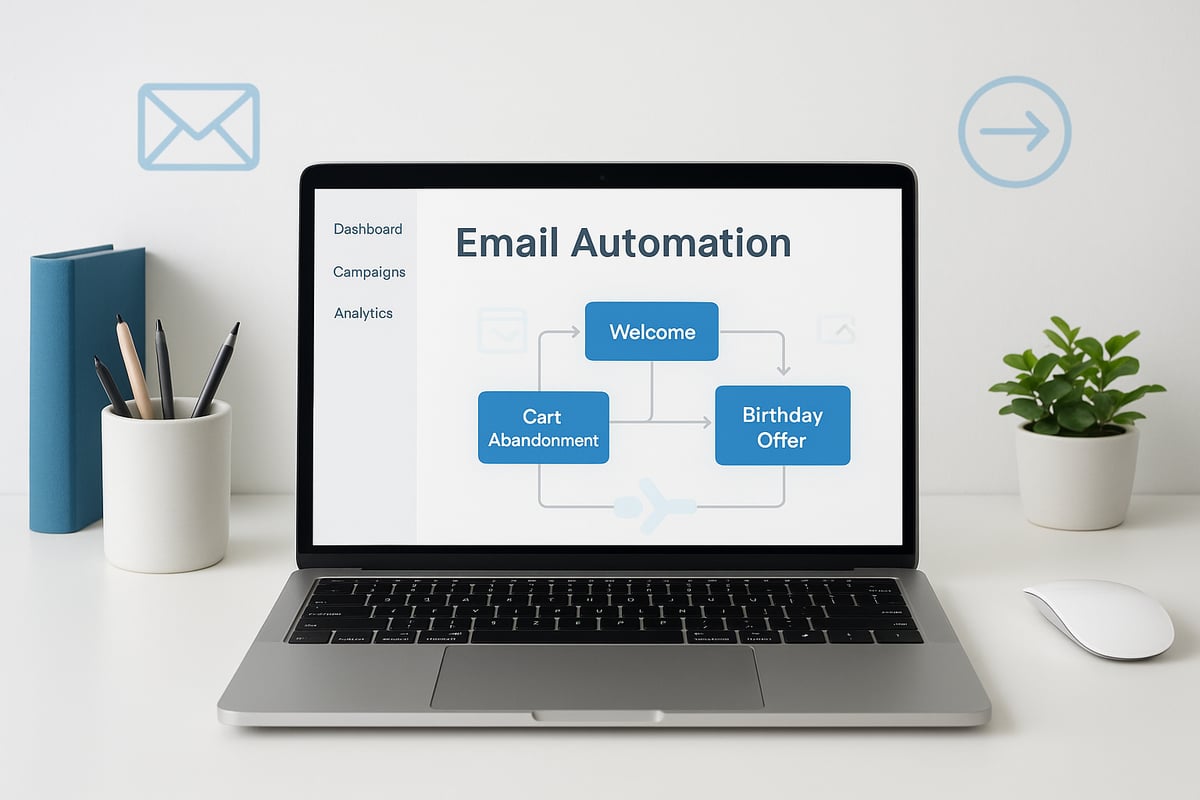
This approach relies on pre-set rules, such as sending a welcome email when someone signs up, or a reminder if a customer leaves items in their shopping cart. For example, when a user joins your list, they might automatically receive a personalized welcome series, or get a special offer on their birthday. These sequences help nurture relationships and keep your audience engaged.
Definition and Core Concepts
At its core, automated email marketing is the process of delivering emails to subscribers based on their actions, preferences, or important dates. This method differs from one-size-fits-all campaigns by using automation to send highly targeted messages.
Key foundational elements include triggers, workflows, and sequences. Triggers are specific actions or events that start an automated email, such as signing up for a newsletter or making a purchase. Workflows are the series of steps or emails that follow a trigger. Common examples include welcome emails for new subscribers, cart abandonment reminders, and birthday offers that add a personal touch.
Automated email marketing allows marketers to engage audiences automatically, ensuring each subscriber receives relevant content at optimal times.
Benefits for Beginners
Automated email marketing offers compelling advantages for those just starting out. The most immediate benefit is saving time, since campaigns run automatically once set up. This makes it easy to scale your communication as your audience grows.
Personalization is another key benefit. Automated email marketing can tailor messages based on subscriber data, making every email feel more relevant to the recipient. For small businesses and solopreneurs, this means you can compete with larger brands on engagement and customer experience.
Financially, the impact is significant. According to Email automation boosts revenue, automated emails generate 320% more revenue than non-automated ones. Typical use cases for beginners include sending onboarding sequences, product recommendations, or follow-up emails after a purchase.
Key Components and Terminology
Understanding the main components of automated email marketing is essential for beginners. Here are some key terms:
- Automation Triggers: Events that initiate a workflow (e.g., signups, purchases, inactivity).
- Segmentation: Dividing your email list into smaller groups based on demographics, behavior, or preferences.
- Personalization Tokens: Variables that insert user-specific information, like first names or recent purchases, into emails.
- A/B Testing: Comparing two versions of an email to see which performs better.
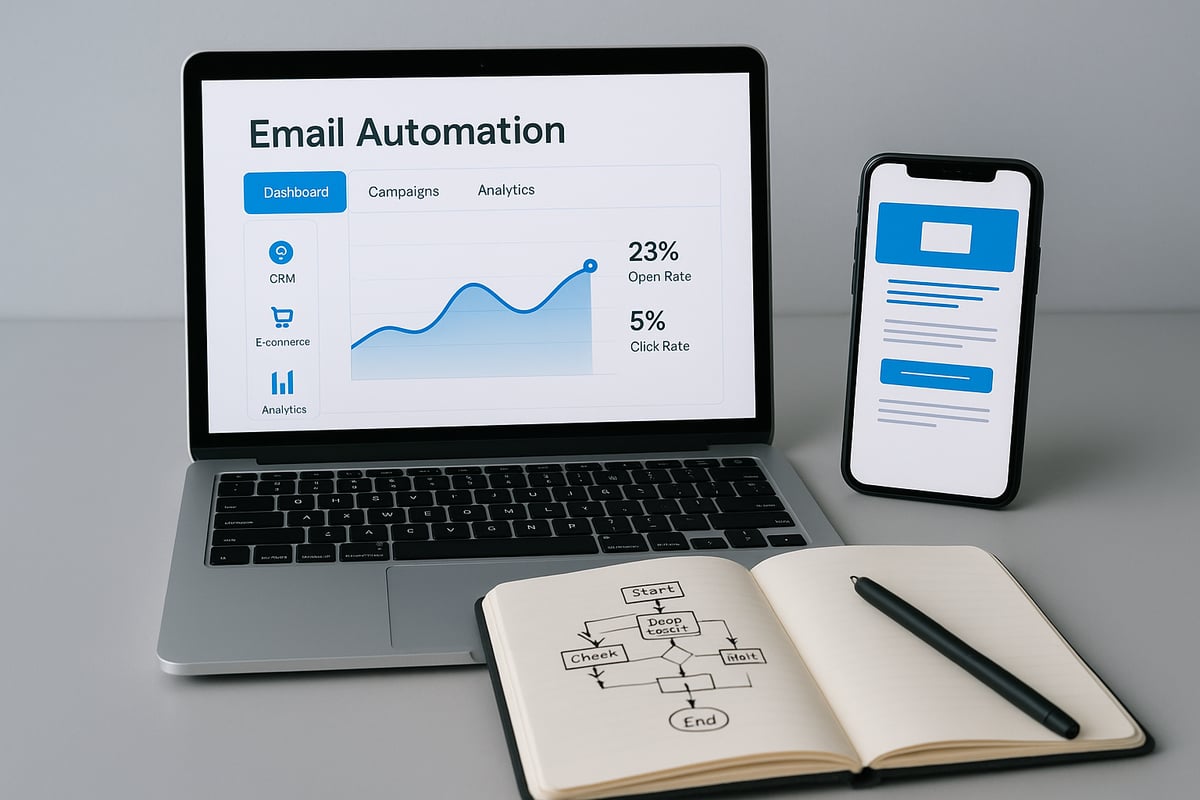
Integration with CRM and e-commerce platforms is vital for seamless data flow. For instance, connecting your email tool to your online store allows you to automatically send product recommendations or follow-up emails. Visualizing these workflows with diagrams or automation builders helps clarify how each component works together.
How Automation Fits in the Modern Marketing Stack
Automated email marketing is a central pillar in today’s digital marketing toolkit. It works alongside other channels, such as SMS and social media automation, to create unified customer journeys.
Compared to SMS, automated email marketing offers more space for visuals and detailed content, while social media automation focuses on public engagement. When integrated with content marketing and lead nurturing strategies, automated emails help move prospects through the sales funnel more effectively.
By combining automated email marketing with tools like CRM systems and website analytics, marketers can deliver consistent, personalized experiences across every touchpoint. This synergy makes email automation a powerful driver of engagement and ROI.
Essential Tools and Platforms for Automated Email Marketing
Choosing the right tools is crucial for success with automated email marketing. As the landscape evolves in 2025, platforms offer advanced features, integrations, and compliance options designed for beginners and growing businesses alike.
Criteria for Choosing an Email Automation Platform
When evaluating platforms for automated email marketing, consider ease of use first. User-friendly interfaces help beginners set up campaigns quickly without a steep learning curve.
Cost is another key factor. Many tools offer free plans, but review upgrade pricing as your list grows. Scalability ensures your platform can handle increasing subscribers and campaign complexity.
Deliverability rates are critical. Choose providers known for high inbox placement. Integration options matter too, allowing seamless connections with your CRM, website, or e-commerce system.
Compliance with regulations like GDPR and CAN-SPAM is essential. Also, prioritize mobile responsiveness so your emails look great on all devices.
Top Platforms in 2025
Several platforms lead the way in automated email marketing for 2025. Mailchimp remains popular for its intuitive drag-and-drop builder and robust analytics. ActiveCampaign excels with advanced automation and CRM features, making it ideal for growing businesses.
ConvertKit appeals to creators with its simple automation and tagging system. HubSpot offers all-in-one marketing, sales, and service tools, perfect for teams needing comprehensive solutions. Brevo (formerly Sendinblue) provides strong automation and SMS integration at competitive pricing.
For a deeper dive into essential digital tools, including email automation platforms, see Digital tools for financial advisors.
Recent G2 and Capterra ratings highlight these platforms for reliability, support, and innovation.
Comparing Free vs. Paid Solutions
Free plans are a great entry point for automated email marketing, but they often limit subscriber counts or automation features. Branding from the provider may be present on emails, and advanced segmentation is usually restricted.
| Feature | Free Plan | Paid Plan |
|---|---|---|
| Subscriber Limit | 500 - 2,000 | 10,000+ |
| Automation Workflows | Basic/Single-step | Multi-step/Advanced |
| Branding | Provider logo | Custom branding |
| Support | Email only | Priority/Live chat |
Upgrading to paid tiers unlocks higher ROI through advanced automations, better analytics, and expanded support. Beginners should assess when the added value justifies the investment.
Integration with Other Marketing Tools
Integration is vital in automated email marketing. Syncing your platform with a CRM ensures accurate contact data and enables deeper personalization.
Connecting to e-commerce tools like Shopify or website platforms such as WordPress allows for targeted automations, like abandoned cart emails or post-purchase follow-ups. Many providers support API or Zapier integrations, streamlining workflows and connecting your email marketing with other business processes.
This interconnected approach maximizes efficiency and helps deliver consistent experiences across all touchpoints.
Step-by-Step: Setting Up Your First Automated Email Campaign
Launching your first automated email marketing campaign can seem daunting, but breaking it down into clear, actionable steps makes the process approachable for any beginner.
By following this structured guide, you will learn how to define your goals, select the right platform, map out workflows, craft compelling content, and continually optimize your campaigns for the best results.

Step 1: Define Your Campaign Goals and Audience
The foundation of automated email marketing is knowing what you want to achieve and who you want to reach.
Start by setting clear objectives, such as nurturing leads, driving sales, increasing engagement, or boosting retention.
Next, create buyer personas that represent your ideal customers. Consider their demographics, interests, and pain points.
Segment your list based on these personas or by specific behaviors, such as signup source or past purchase history. For example:
- New subscribers (welcome series)
- Cart abandoners (reminder emails)
- Loyal customers (exclusive offers)
This segmentation ensures your automated email marketing messages are relevant and personalized, increasing the likelihood of engagement and conversion.
Step 2: Choose the Right Automation Tool
Selecting a suitable platform is crucial for successful automated email marketing. Refer to your needs: ease of use, scalability, integration options, and budget.
Popular platforms include Mailchimp, ActiveCampaign, ConvertKit, HubSpot, and Brevo. Each offers unique features, such as visual automation builders or advanced segmentation capabilities.
Once you choose a tool, set up your account and import your contacts. Always prioritize list hygiene by removing invalid emails and securing proper consent to comply with privacy regulations.
A clean, well-organized contact list is fundamental to effective automated email marketing and strong deliverability rates.
Step 3: Map Out Your Email Workflow
Visualizing the customer journey helps you design an effective workflow. Most platforms offer drag-and-drop builders to create sequences triggered by specific actions.
Begin by outlining key touchpoints, such as:
- Signup or first purchase (trigger welcome email)
- Inactivity (trigger re-engagement email)
- Milestones like birthdays or anniversaries
Use a simple flowchart or the platform’s visual builder to map these triggers and responses.
For instance, a basic welcome series in automated email marketing could include:
- Immediate welcome email after signup
- Follow-up with product benefits
- Special offer or discount
This approach keeps your communications timely and relevant.
Step 4: Craft Your Email Content and Design
Effective content is at the heart of automated email marketing. Write attention-grabbing subject lines and concise, value-driven body copy.
Personalize emails using dynamic content blocks or tokens, such as the recipient’s name or recent activity.
Consider creating a welcome series template for new subscribers:
Subject: Welcome to [Brand]!
Body: Hi [First Name], thanks for joining us. Here’s what you can expect...
Incorporate strong calls to action, clear visuals, and ensure your emails are mobile-responsive. Well-designed content increases engagement and supports your automated email marketing goals.
Step 5: Set Triggers, Timing, and Frequency
Properly configured triggers ensure your automated email marketing campaigns reach subscribers at the right moments.
Set up triggers based on actions like signups, purchases, or periods of inactivity.
Carefully schedule send times for optimal engagement. Research shows that emails sent at times tailored to your audience’s time zones perform better.
Avoid overwhelming recipients by spacing out emails. For example, limit a welcome series to one email per day.
Balancing frequency and relevance helps maintain subscriber interest and reduces the risk of fatigue.
Step 6: Test, Launch, and Monitor Performance
Before launching, test every aspect of your automated email marketing workflow.
A/B test subject lines, body copy, and design elements to see what resonates best.
Use your platform’s analytics dashboard to monitor key metrics:
| Metric | What It Measures |
|---|---|
| Open Rate | % of recipients opening |
| Click-Through | % clicking links |
| Conversion Rate | % completing a goal |
| Unsubscribe Rate | % opting out |
According to recent email marketing automation trends, automated emails can achieve up to 52% higher open rates and significantly better conversion rates than standard campaigns.
Regularly reviewing these metrics helps you identify what is working and where to improve.
Step 7: Optimize and Iterate
Optimization is an ongoing process in automated email marketing. Use performance data to identify bottlenecks or underperforming emails.
Make incremental changes, such as tweaking subject lines, adjusting send times, or refining segmentation.
For example, a brand that analyzed open rates and adjusted email timing saw a 25% increase in engagement.
Establish a routine for reviewing analytics and updating your workflows. Continuous improvement ensures your campaigns stay effective and aligned with audience expectations.
Best Practices for Automated Email Marketing Success
Mastering best practices in automated email marketing is essential for beginners aiming to achieve outstanding results. By focusing on personalization, compliance, compelling content, error avoidance, and proper measurement, you can build campaigns that engage, convert, and retain your audience.
Personalization and Segmentation
Personalization and segmentation are at the heart of automated email marketing success. By dividing your audience based on behavior, demographics, or engagement levels, you can send messages that truly resonate.
For instance, segmenting by purchase history allows you to tailor recommendations, while targeting by engagement ensures only active subscribers receive frequent updates.
Effective segmentation strategies include:
- Grouping users by sign-up source
- Tracking website activity or product interests
- Using engagement scores for re-engagement campaigns
Personalized subject lines and content increase open rates and conversions, showing recipients you understand their needs. Starting with simple segments and gradually building complexity will help you maximize the impact of automated email marketing.
Compliance and Deliverability
Staying compliant with regulations like GDPR and CAN-SPAM is crucial for any automated email marketing strategy. Always obtain explicit consent before adding contacts to your list, and provide easy unsubscribe options in every message.
Maintaining deliverability depends on list hygiene. Regularly remove inactive or bounced emails to protect your sender reputation. Use double opt-in processes and avoid spam-triggering words to reduce the risk of landing in junk folders.
Industry leaders achieve up to 99 percent deliverability rates by adhering to these best practices. Consistent monitoring and prompt action on feedback loops ensure your automated email marketing campaigns reach the inbox, not the spam folder.
Crafting Engaging Content
Compelling content is the backbone of automated email marketing. Focus on storytelling, clear calls to action, and visually appealing layouts to capture attention.
Mobile optimization is essential, as the majority of users check email on their phones. Ensure your designs are responsive and accessible for all readers. Incorporate visuals and concise messaging to boost engagement rates.
Leverage AI-driven personalization to further enhance content relevance, as AI's role in email marketing continues to grow. Dynamic content blocks and personalized recommendations can make each message feel unique, driving higher interaction within automated email marketing campaigns.
Avoiding Common Mistakes
Even the best automated email marketing systems can falter if common pitfalls are not avoided. Over-automation can overwhelm subscribers, leading to high unsubscribe rates. Balance frequency and relevance to maintain interest.
Neglecting testing is another frequent error. Always run A/B tests on subject lines, content, and send times to identify what resonates. Ignoring analytics means missing opportunities for improvement.
Learn from industry reports and avoid shortcuts. Regularly review your automated email marketing workflows to ensure they align with your goals and audience preferences.
Measuring Success: Key Metrics to Track
Tracking key metrics is essential for evaluating the effectiveness of automated email marketing. Focus on open rates, click-through rates, conversion rates, unsubscribe rates, and overall ROI.
Here is a quick summary table of crucial metrics:
| Metric | What It Measures | Beginner Benchmark |
|---|---|---|
| Open Rate | Email opens | 20–25% |
| Click-Through Rate | Link clicks | 2–5% |
| Conversion Rate | Desired actions taken | 1–3% |
| Unsubscribe Rate | Opt-outs | <0.5% |
| ROI | Return on investment | $36 per $1 spent |
According to Email marketing ROI statistics, automated email marketing delivers an average ROI of $36 for every dollar invested. Regularly reviewing these metrics enables you to refine and optimize your campaigns for sustained growth.
Advanced Strategies and Future Trends in Email Automation
The landscape of automated email marketing continues evolving rapidly in 2025. Staying ahead means leveraging the latest technology, adopting smarter personalization, and keeping a close eye on privacy regulations. Explore these advanced strategies and emerging trends to future-proof your campaigns.
AI and Machine Learning in Email Automation
Artificial intelligence is revolutionizing automated email marketing by enabling deeper personalization and smarter decision-making. AI algorithms now analyze recipient behaviors, predict optimal send times, and automatically adjust content for better engagement. For example, AI-driven tools can boost open rates by up to 15 percent (Forrester, 2024). If you want to learn how these strategies impact specific industries, see Marketing automation for advisors for detailed insights. Embracing AI ensures your campaigns remain competitive in a crowded inbox.
Hyper-Personalization and Dynamic Content
Hyper-personalization leverages real-time data to tailor each message uniquely. Automated email marketing platforms now use dynamic content blocks, adapting product recommendations or offers based on user behavior and preferences. In 2025, marketers deploy weather-triggered promotions and location-based updates, creating highly relevant experiences. Advanced segmentation and personalization tokens allow brands to speak directly to each subscriber, resulting in higher engagement and loyalty. This trend makes your messaging feel less like automation and more like a one-on-one conversation.
Omnichannel Automation and Integration
Automated email marketing no longer exists in isolation. Modern platforms integrate seamlessly with SMS, social media, and push notifications, creating unified customer journeys. For instance, a user abandoning a cart can receive an email, a text reminder, and a targeted social ad, all coordinated through automation workflows. These omnichannel strategies drive higher conversion rates and ensure no touchpoint is missed. Integrations with CRM systems, e-commerce stores, and lead generation tools streamline the entire process for businesses of any size.
Automation for E-Commerce and Transactional Emails
E-commerce brands benefit greatly from automated email marketing. Transactional emails such as order confirmations, shipping updates, and post-purchase surveys are triggered instantly, building trust and encouraging repeat purchases. Abandoned cart sequences recover lost sales by reminding customers at just the right time. Post-purchase follow-ups can include personalized recommendations, increasing lifetime value. According to Shopify, e-commerce brands using automation see up to 20 percent more repeat purchases, making this a must-have strategy for online retailers.
Data Privacy, Security, and Compliance in 2025
As automated email marketing grows more sophisticated, data privacy and compliance requirements become stricter. In 2025, evolving regulations demand transparent data practices and robust consent management. Businesses must implement GDPR, CAN-SPAM, and other regional guidelines to maintain trust. Top platforms provide built-in tools for managing preferences, unsubscribes, and data security. Prioritizing compliance not only protects your brand but also reassures subscribers, fostering long-term relationships in an increasingly privacy-conscious world.
The Future of Email Automation: Predictions for 2025 and Beyond
Looking ahead, automated email marketing will continue to innovate with AI-powered content creation, predictive analytics, and even deeper integrations with emerging channels. Industry experts predict a shift toward even more contextual messaging, automation that adapts in real time, and smarter measurement of ROI. Staying informed about these trends and adopting new technologies will help marketers maximize results and remain relevant in a rapidly changing digital environment.
Now that you have a clear overview of how automated email marketing can transform your outreach and save you valuable time, why not experience the benefits firsthand? Whether you’re just starting out or looking to refine your email strategy as a financial advisor, taking the next step can set you up for lasting engagement and measurable growth. If you’re ready to see how these tools and strategies work in practice, I invite you to Schedule a Free Demo and discover how automation can elevate your marketing efforts with ease.
.png)


.svg)
.svg)